

DHI vs FUE Hair Transplant in Turkey: Which Method Is Right for You?
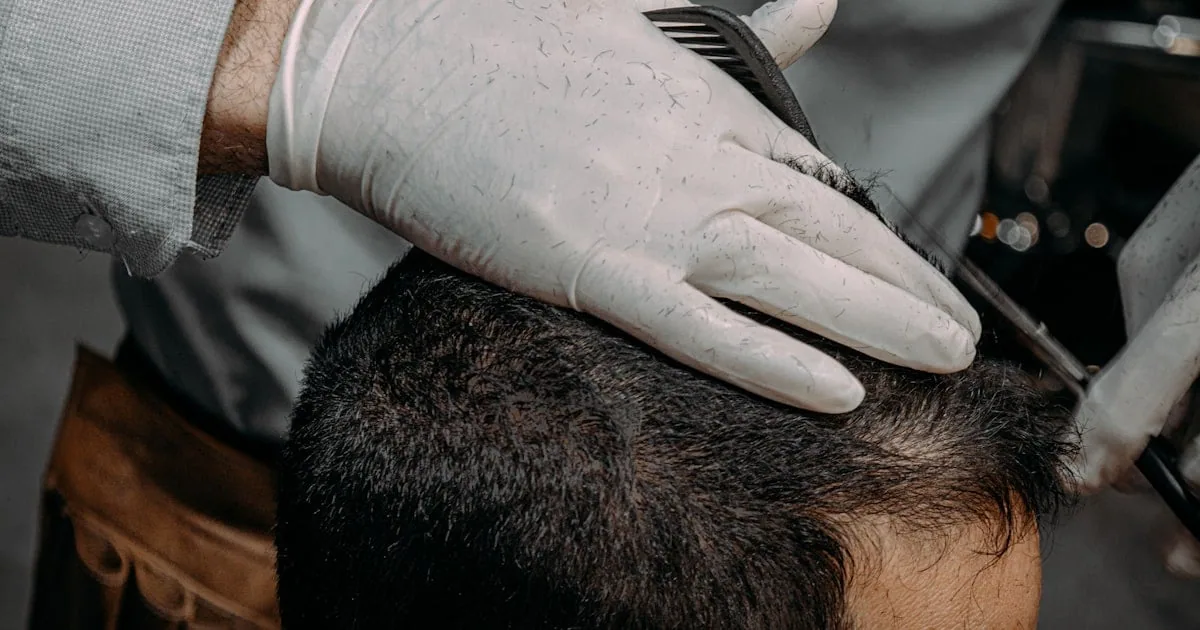
If you're researching hair transplants in Turkey, you've likely come across two techniques that dominate the conversation: FUE (Follicular Unit Extraction) and DHI (Direct Hair Implantation). Both methods are widely available at Turkish clinics, both deliver excellent results in the right hands — but they differ meaningfully in technique, cost, ideal candidacy, and recovery. Understanding these differences is the single most important step before booking your procedure.
What Is FUE (Follicular Unit Extraction)?
FUE is currently the most widely performed hair transplant technique in the world. The process involves three stages: extraction, channel creation, and implantation. Using a micro-punch tool (typically 0.6–1.0mm in diameter), the surgeon extracts individual follicular units — groups of 1–4 hairs — from the donor area, which is usually the back and sides of the scalp.
Once extracted, the surgeon creates recipient channels (tiny incisions) in the target area at specific angles and depths to match the natural growth pattern. The grafts are then carefully placed into these channels. The entire process takes between 4 and 8 hours depending on the number of grafts.
FUE is well-established, minimally scarring (no linear scar), and suitable for the vast majority of hair loss patients. In Turkey, it is typically performed using either standard steel micro-punches or sapphire-tipped tools — the latter marketed as "Sapphire FUE," offering finer incisions and reportedly faster healing.
What Is DHI (Direct Hair Implantation)?
DHI is an evolution of the FUE extraction method, but with a fundamentally different implantation phase. After grafts are extracted (using the same micro-punch technique as FUE), they are loaded directly into a specialised tool called a Choi Implanter Pen. This pen allows the surgeon to create the implantation channel and insert the graft in a single motion — eliminating the separate channel-creation step used in standard FUE.
This approach offers several potential advantages: grafts spend less time outside the scalp, reducing the risk of desiccation (drying out); the surgeon has greater control over implantation angle, depth, and direction; and there is no need to shave the entire recipient area, making DHI particularly suited to patients who want to keep existing hair long during recovery.
DHI is often recommended for hairline design work, where precision is paramount, and for patients with early-stage hair loss seeking density enhancement in specific zones.
Key Differences: FUE vs DHI
The choice between FUE and DHI is rarely black-and-white. Both techniques use FUE-style extraction, so the main difference lies in how grafts are implanted. The right choice depends on your specific hair loss pattern, donor density, desired coverage area, and budget.
| Factor | FUE | DHI |
|---|---|---|
| Implantation Method | Pre-made channels + manual placement | Choi pen (simultaneous channel + graft) |
| Shaving Required | Full shave of recipient area | No shave / partial shave possible |
| Graft Time Outside Scalp | Longer (potential desiccation risk) | Shorter (better graft survival) |
| Precision & Angle Control | High (surgeon-dependent) | Very High |
| Coverage Area per Session | Larger areas | Smaller, more targeted areas |
| Cost in Turkey | £1,500 – £2,500 | £2,000 – £3,500 |
| Best For | Large-scale coverage, NW3–NW6 | Hairline, density, NW1–NW3 |
| Recovery Time | 10–14 days | 7–12 days |
Which Method Should You Choose?
If you have significant overall hair loss — Norwood Scale 3 to 6 — and need maximum graft coverage across the crown and mid-scalp, FUE (or Sapphire FUE) is usually the more practical choice. The technique allows for larger graft sessions, is highly refined in experienced Turkish clinics, and delivers excellent natural-looking results at a lower cost per graft.
If you have mild to moderate hair loss and are primarily concerned with hairline refinement, temple restoration, or adding density to thinning areas without a full shave, DHI offers significant advantages. The Choi pen's precision makes it the preferred tool for surgeons designing natural, frame-fitting hairlines.
Many Turkish clinics offer combination approaches — for example, using FUE for the bulk of the crown and DHI for precise hairline work. During your consultation, an experienced surgeon will assess your specific pattern and donor density before making a recommendation. Be cautious of any clinic that pushes one method universally without considering your individual case.
Cost Considerations for International Patients
In Turkey, DHI procedures are generally priced 20–40% higher than equivalent FUE procedures, reflecting the additional skill and time required for Choi pen implantation. However, both methods remain dramatically more affordable than equivalent procedures in the UK, Germany, or the United States.
All-inclusive FUE packages in Istanbul typically start at around £1,500–£2,000 for 2,000–3,000 grafts. DHI packages for a comparable graft count typically start at £2,000–£3,000. Both usually include accommodation, airport transfers, and a post-operative care kit.
When comparing quotes from multiple clinics, ensure you're comparing like-for-like: confirm the graft count, technique, whether a qualified surgeon (not technician) performs the procedure, and what aftercare and follow-up support is included. Price alone is a poor indicator of quality — focus on credentials, reviews, and transparency.
Frequently Asked Questions
Is DHI better than FUE?
Neither is universally better — they suit different patients. DHI offers precision advantages for hairline work and unshaved procedures; FUE is better for large-scale coverage. An experienced surgeon will recommend the right method for your specific case.
Can I combine DHI and FUE in one session?
Yes. Many Turkish clinics offer hybrid sessions, using FUE for bulk coverage and DHI for the hairline. This approach is common and can deliver excellent overall results.
Will the results look different with each method?
When performed by a skilled surgeon, both methods produce natural-looking results. The key variable is the surgeon's experience and artistry, not the technique alone.
How long until I see final results?
Regardless of technique, transplanted grafts shed at 2–6 weeks post-op (a normal process). New growth begins around month 3–4, with significant improvement visible by month 6–8. Final results are assessed at 12–18 months.
Ready to Take the Next Step?
Not sure which technique is right for your hair loss? Send us your photos for a free, expert assessment. Our medical team will evaluate your donor density and hair loss pattern and recommend the most suitable approach — with no obligation to book.
No comments yet. Be the first to comment!