

Gastric Bypass Turkey 2026: Is It Safe? What UK Patients Need to Know
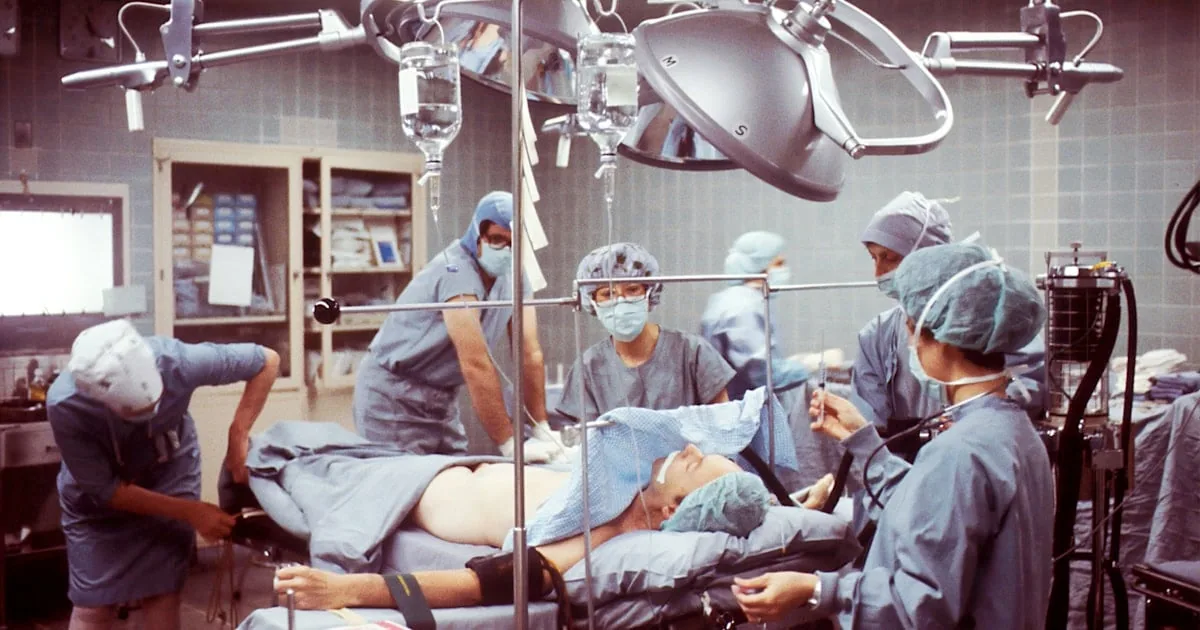
Gastric bypass surgery is widely considered the most effective long-term weight loss procedure available, delivering superior and more durable results than the gastric sleeve for many patients — particularly those with type 2 diabetes, severe acid reflux, or significant metabolic disease. In the UK, it is rarely available on the NHS and costs £14,000–£20,000 privately. In Turkey, a full Roux-en-Y gastric bypass in an accredited hospital costs £3,500–£6,000 all-inclusive. This guide helps UK patients understand whether Turkey is a safe and appropriate option in 2026.
Gastric Bypass vs Gastric Sleeve: Key Differences
The gastric sleeve and gastric bypass are both effective bariatric procedures, but they work through different mechanisms and suit different patient profiles. The gastric sleeve removes approximately 75–80% of the stomach, creating a smaller stomach capacity with reduced hunger hormones. It is a simpler procedure with faster recovery and slightly lower complication risk.
Gastric bypass (specifically Roux-en-Y gastric bypass) is more complex: a small stomach pouch is created, and the small intestine is rerouted so that food bypasses the rest of the stomach and the upper small intestine. This produces both restriction (smaller pouch) and malabsorption (reduced absorption of calories and nutrients), plus powerful hormonal changes that are particularly effective in resolving type 2 diabetes — often before significant weight loss occurs.
Bypass is typically recommended over sleeve for patients with severe gastro-oesophageal reflux disease (GERD), type 2 diabetes requiring medication, super-obesity (BMI above 50), or where previous sleeve surgery has failed. For most other patients, the sleeve offers comparable outcomes with a simpler surgical and recovery profile.
Is Gastric Bypass Safe in Turkey?
Gastric bypass is a more technically complex procedure than sleeve gastrectomy and carries a slightly higher operative risk — this is true regardless of where surgery is performed. The complication rate in experienced hands is low but not negligible: anastomotic leak rates are approximately 1–2% globally, and this complication is the most serious post-operative risk.
In accredited Turkish hospitals with experienced bariatric surgeons, gastric bypass outcomes are comparable to published UK and European data. Turkey's leading bariatric centres perform hundreds of bypass procedures annually — and as with all surgical specialties, volume and experience matter significantly to outcomes. The key safety question for any international patient is not "is bypass safe in Turkey?" but rather "is bypass safe at this specific clinic, with this specific surgeon?"
Verify that your surgeon is specifically a bariatric surgeon (not a general surgeon who occasionally performs bariatric procedures), that the hospital has appropriate ICU facilities, and that the post-operative care protocol includes specific monitoring for anastomotic complications. Ask for the surgeon's reported complication rates and their protocol if a complication occurs.
Gastric Bypass Cost in Turkey vs UK
The cost gap between Turkey and the UK for gastric bypass is significant, and the comparison is particularly stark because UK private bypass is one of the most expensive elective procedures available.
| Procedure | Turkey (All-In) | UK Private Estimate |
|---|---|---|
| Roux-en-Y Gastric Bypass | £3,500 – £6,000 | £14,000 – £20,000 |
| Mini Gastric Bypass (OAGB) | £2,800 – £5,000 | £10,000 – £15,000 |
| Revision Bypass (post-sleeve) | £5,000 – £8,000 | £15,000 – £25,000 |
| Bypass + Hospital Stay (5 nights) | Included | £500 – £1,500/night extra |
| 1-Year Follow-Up Support | Included | £500 – £2,000 extra |
Pre-Operative Requirements for UK Patients
Turkish bariatric programmes require comprehensive pre-operative evaluation before proceeding with gastric bypass. This typically includes recent blood tests (full blood count, metabolic panel, HbA1c, thyroid function, vitamins and minerals), an ECG, chest X-ray, abdominal ultrasound, upper GI endoscopy, and a psychological assessment. Patients with complex medical histories (cardiac conditions, previous abdominal surgeries) may require additional evaluation.
Many Turkish bariatric coordinators will accept recent UK blood tests and investigations (typically within 3 months), reducing the extent of duplicate testing needed on arrival. Your GP can arrange most of these tests in the UK, and sharing results in advance allows the Turkish team to flag any concerns before you travel.
All reputable Turkish bariatric programmes require a pre-operative consultation — either online or in-person — before confirming bypass eligibility. Be wary of any service that confirms booking without thorough medical review.
Life After Gastric Bypass: Nutrition, Supplements & Long-Term Results
Gastric bypass produces more significant nutritional considerations than sleeve gastrectomy due to the malabsorptive component. Lifelong supplementation with vitamins and minerals is mandatory — specifically vitamin B12, iron, calcium with vitamin D, folate, and a comprehensive multivitamin. Blood tests should be performed every 6 months to monitor nutritional status and adjust supplementation as needed.
Dietary progression after bypass follows a similar pattern to the sleeve: clear liquids for week 1, full liquids for weeks 2–3, pureed food for weeks 4–5, soft diet from week 6, then gradual introduction of regular foods. Dumping syndrome — nausea, sweating, and palpitations triggered by high-sugar or high-fat foods — affects some patients and serves as a physiological deterrent to problematic dietary patterns.
Long-term data on gastric bypass is excellent: 10-year studies consistently show sustained excess weight loss of 60–70%, with durable resolution of type 2 diabetes in 75–85% of patients who had the condition pre-operatively. Bypass remains the gold standard bariatric procedure for metabolic disease resolution.
Frequently Asked Questions
Is gastric bypass reversible?
Technically yes — unlike the sleeve — but reversal is complex surgery in its own right and should not be considered part of a routine plan. Bypass is treated as a permanent procedure.
How does gastric bypass help with type 2 diabetes?
Bypass produces powerful hormonal changes (GLP-1 increase, insulin sensitivity improvement) that resolve diabetes in many patients within weeks of surgery — before significant weight loss has occurred. This hormonal mechanism is distinct from simple caloric restriction.
How long is the recovery compared to sleeve?
Bypass typically requires 5–7 nights in hospital (vs 3–4 for sleeve) and a slightly longer overall recovery — most patients need 2–3 weeks off work rather than 1–2 weeks.
Can I get bypass if I've already had a sleeve?
Yes — conversion from sleeve to bypass is a recognised procedure for patients experiencing weight regain or severe reflux. It is a more complex revision operation; ask specifically for the surgeon's revision experience.
Ready to Take the Next Step?
Considering gastric bypass in Turkey? Start with a free medical consultation. Our bariatric patient advisors will review your medical history, explain the procedure fully, and connect you with a board-certified bariatric surgeon for a detailed, personalised assessment.
No comments yet. Be the first to comment!