

Turkey vs Thailand vs India: Best Country for Medical Tourism in 2026
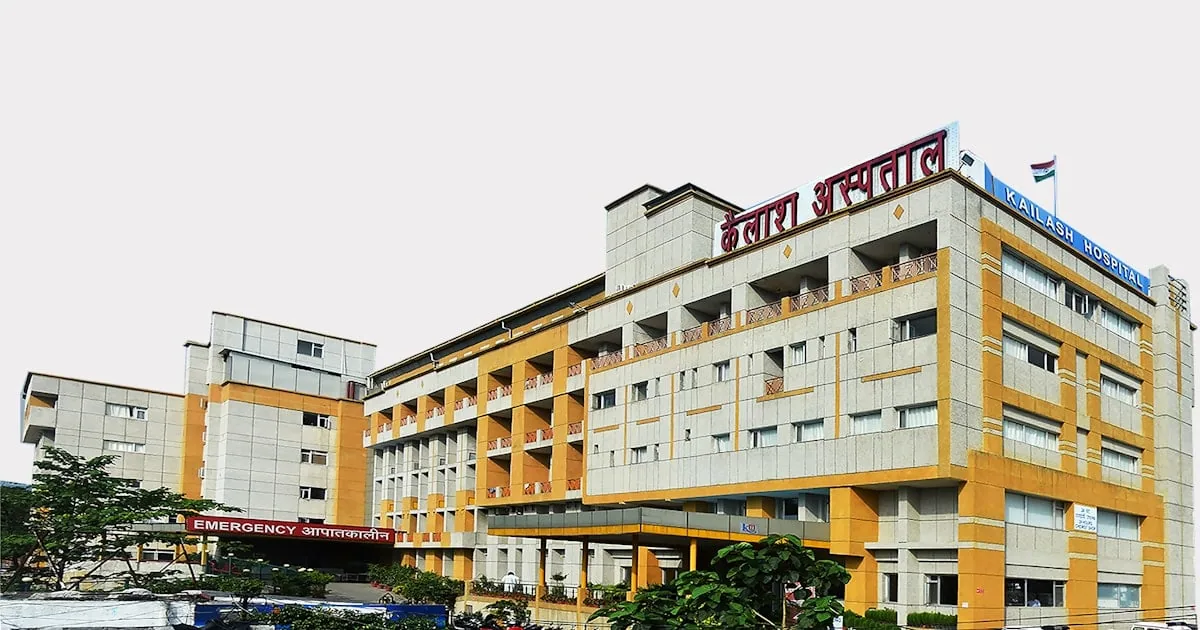
For international patients considering medical tourism, the destination question is often the starting point: Turkey, Thailand, or India? All three countries have established themselves as major global medical tourism hubs, each with genuine strengths and trade-offs. The right answer depends on the specific procedure, patient's home country, priorities, and preferences. This detailed comparison covers the key dimensions — clinical quality, cost, accessibility, language, safety, and patient experience — to help you make an informed decision in 2026.
Clinical Quality and Accreditation
All three countries have hospitals with JCI accreditation — the international gold standard — but the distribution and breadth of accredited facilities differs significantly. Turkey has more JCI-accredited hospitals than any country outside the United States (over 50), with a concentration in Istanbul that makes it the world's most densely accredited medical tourism city. Thailand has approximately 65 JCI-accredited hospitals, many in Bangkok, with Bumrungrad International, Bangkok Hospital, and Samitivej Hospital among the best-known globally. India has around 45 JCI-accredited hospitals across major cities, led by institutions like Apollo Hospitals, Fortis, and Medanta.
In terms of specific specialty strengths: Turkey is globally recognised for hair transplantation, aesthetic surgery, dental work, eye surgery, and bariatric surgery. Thailand has particular strengths in cardiac surgery, joint replacement, and oncology. India leads globally in cardiac procedures, neurosurgery, organ transplantation, and complex cancer treatments. For elective cosmetic and restorative procedures, Turkey generally offers the highest concentration of specialist expertise.
Cost Comparison Across Destinations
Cost is one of the primary drivers of medical tourism decisions. All three countries offer substantial savings versus Western prices, but the specific cost advantage varies by procedure and destination.
| Procedure | Turkey | Thailand | India | UK (comparison) |
|---|---|---|---|---|
| Hair Transplant (3k grafts) | £1,500 – £2,500 | £2,000 – £4,000 | £800 – £1,500 | £7,000 – £12,000 |
| Dental Implant (single) | £400 – £700 | £500 – £900 | £300 – £600 | £2,500 – £3,500 |
| Rhinoplasty | £2,500 – £5,000 | £3,000 – £6,000 | £2,000 – £4,000 | £7,000 – £12,000 |
| IVF (per cycle) | £1,800 – £3,500 | £2,500 – £5,000 | £1,500 – £3,000 | £4,000 – £6,000 |
| Hip Replacement | £6,000 – £9,000 | £8,000 – £13,000 | £5,000 – £8,000 | £12,000 – £18,000 |
| Heart Bypass Surgery | £12,000 – £20,000 | £15,000 – £25,000 | £7,000 – £12,000 | £25,000+ |
Accessibility and Travel Logistics
For European patients — who represent the largest bloc of medical tourists globally — Turkey has a decisive geographic advantage. Istanbul is 3–4 hours from most European capitals; a return flight from London costs as little as £80–£150 and takes less time than some domestic UK journeys. This makes Turkey uniquely practical for procedures requiring multiple visits or for patients who prefer not to spend many hours in transit.
Thailand is a 10–12 hour flight from Europe, making it impractical for procedures requiring multiple shorter trips (such as dental implants over two visits). It works best for patients combining treatment with a longer holiday. India is similarly 8–10 hours from Europe, though direct flights from London are frequent and affordable. For American patients, the calculus is different: Thailand and India are more accessible from the US West Coast, while Turkey is more accessible from the East Coast.
Language accessibility is another practical dimension. English is widely spoken in medical settings in all three countries, but patient coordinator support and day-to-day navigation in Istanbul is particularly seamless for European patients due to well-developed international patient infrastructure.
Patient Experience and Cultural Fit
The overall patient experience differs meaningfully across destinations. Turkey offers a European cultural sensibility — Istanbul in particular feels familiar and accessible to Western European patients, with world-class hotels, international cuisine, shopping, and cultural attractions that make recovery comfortable and enjoyable. Turkish hospitality is a deeply cultural value that translates naturally into patient care settings.
Thailand offers an exceptional hospitality culture, stunning scenery, and warm climate — making it an excellent choice for patients who can combine treatment with a longer recuperation holiday. Bangkok's private hospitals are renowned for their hotel-standard facilities and concierge service. India offers extraordinary medical value, particularly for complex procedures, but the cultural and environmental adjustment can be more challenging for Western patients — heat, unfamiliar food, and variable infrastructure outside top-tier hospital districts can affect recovery experience.
For European patients specifically, Turkey consistently scores highest on accessibility, cultural familiarity, post-operative communication, and the all-important ability to return home quickly if needed.
Which Destination Is Right for You?
The right choice depends on your specific procedure, location, and priorities. For European patients seeking cosmetic surgery, hair transplantation, dentistry, eye surgery, or IVF, Turkey is almost universally the most practical and cost-effective choice. The combination of proximity, clinical quality, specialist concentration, and patient experience infrastructure is hard to match.
For patients seeking complex cardiac surgery, organ transplantation, or advanced oncology care, India's specialist institutions offer exceptional quality at the lowest global prices — and the procedure complexity justifies the longer travel. For patients who want to combine significant medical treatment with an extended recovery holiday in a beautiful warm destination, Thailand offers unique appeal.
For most elective procedures from a European base, Turkey's combination of factors makes it the clear frontrunner — which is borne out by the fact that Turkey receives more medical tourists from Europe than Thailand and India combined.
Frequently Asked Questions
Is Turkey safer than Thailand or India for medical tourists?
All three countries have safe, accredited hospitals for international patients. Turkey is generally considered the most accessible and logistically straightforward for European patients, with well-established patient support infrastructure.
Which country has the best plastic surgeons?
Turkey has the highest concentration of board-certified plastic surgeons specialising in aesthetic procedures for international patients, particularly in Istanbul. Thailand also has excellent aesthetic surgery options, particularly in Bangkok.
Can I combine treatment across two destinations?
Theoretically yes, but in practice this adds significant cost, complexity, and risk. It's almost always better to complete your treatment in one destination with a specialist team who can manage your full care pathway.
Ready to Take the Next Step?
Not sure which destination is right for your specific procedure? Our international patient advisors will assess your needs and help you make the most informed decision — with transparent comparisons and zero bias towards any single destination.
No comments yet. Be the first to comment!