

Medical Tourism Turkey 2026: Complete Guide for First-Time International Patients
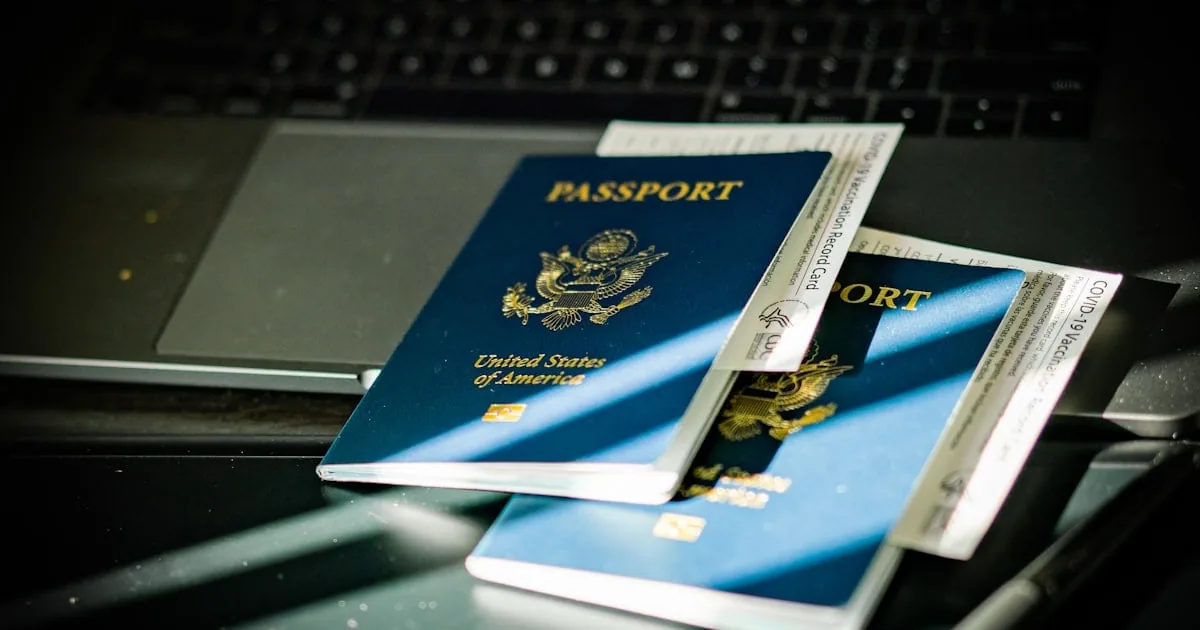
If you're considering travelling to Turkey for medical treatment for the first time, you likely have a long list of questions — and understandably so. Combining healthcare with international travel involves a level of research, planning, and trust that goes well beyond booking a standard holiday. This comprehensive guide is designed to answer the most important questions first-time medical tourists have about Turkey in 2026: how to research and choose a clinic, how to navigate the practical logistics, what to expect during and after treatment, and how to stay safe throughout.
Step 1: Research Your Treatment and Define Your Goals
The most important first step is becoming well-informed about the specific treatment you're considering — not just the Turkish angle, but the procedure itself. Understanding what the procedure involves, realistic outcomes, risks, recovery timelines, and alternatives puts you in a far stronger position to evaluate clinics and surgeons and to have productive consultations.
Use reputable medical sources (NHS website, WebMD, NCBI/PubMed for peer-reviewed research), patient communities on Reddit and dedicated forums, and, importantly, speak with your GP at home. Your GP can advise on whether you're medically suitable for the procedure, help you gather any required medical records or test results, and provide a point of local medical contact for follow-up care after you return.
Be realistic about your goals. No reputable surgeon promises perfection, and any consultation that involves guarantees without caveat should trigger caution rather than confidence. Honest discussions about what can and cannot be achieved, individual variation in results, and realistic recovery expectations are hallmarks of professional, trustworthy medical practice.
Step 2: Researching and Shortlisting Clinics
With hundreds of Turkish clinics actively marketing to international patients, systematic evaluation is essential. Start by identifying 5–10 clinics that appear to specialise in your specific treatment. Verify each clinic's accreditation status — JCI accreditation or Turkish Ministry of Health international patient certification — and check the credentials of the specific surgeon who would perform your procedure.
For accreditation, use independent verification sources: the JCI website lists all accredited organisations by country. For surgeon credentials, look for board certification from the relevant Turkish specialty society (e.g., TPCD for plastic surgery, TDO for dentistry), postgraduate training details, and published case portfolios specific to your procedure.
Read reviews on multiple platforms: Google, Trustpilot, Facebook groups dedicated to medical tourism in Turkey, and Reddit communities. Weight recent reviews more heavily than older ones. Look for patterns — consistently positive or negative themes across multiple independent reviews are more meaningful than outliers in either direction.
Step 3: The Consultation Process
Reputable Turkish clinics offer free initial online consultations — typically via WhatsApp video, Zoom, or email with photo submission. This is your opportunity to assess the clinic's responsiveness, professionalism, and communication quality, as well as to ask detailed questions about your specific case.
Prepare thoroughly for your consultation. Bring any relevant medical records, test results, previous treatment history, and a clear articulation of your goals. Ask specific questions: What technique will be used and why? What results are realistic for my specific case? What are the possible complications and how are they managed? What does the post-operative support include after I return home? What happens if I experience a complication?
Be sceptical of consultations that are overly brief, promise unrealistic results, or focus primarily on price and availability rather than medical assessment. A good clinician should ask as many questions as they answer — they need to understand your medical history, goals, and concerns to give you accurate, personalised advice.
Step 4: Practical Logistics
Once you've selected a clinic and agreed a treatment plan, the logistics come together relatively straightforwardly with good planning. Book flights early for the best prices — major Turkish airlines and budget carriers operate daily services to Istanbul and Antalya from most European airports. Your clinic's patient coordinator should handle hotel booking, airport transfers, and the treatment schedule, but confirm all details in writing.
Medical travel insurance is strongly recommended — standard travel insurance typically excludes coverage for elective medical procedures and their complications. Specialist medical travel insurance covers treatment-related complications, emergency repatriation, and in some cases additional treatment costs if complications arise. Companies offering this in the UK include Staysure (with add-ons), Battleface, and specialist brokers.
Pack documentation carefully: passport, travel insurance policy, any pre-operative test results or medical records required by the clinic, a list of current medications, and the clinic's emergency contact details. Many patients also find it useful to carry a brief medical summary in Turkish (your coordinator can help prepare this) for any emergency interaction with local services.
Step 5: During and After Treatment
On arrival, your clinic's patient coordinator should meet you at the airport or hotel and manage all logistics from that point. The pre-operative assessment, treatment, and post-operative care all take place within the clinic's schedule — your job is to ask questions, follow instructions, and communicate any concerns clearly.
Before leaving Turkey, ensure you receive comprehensive written documentation: your surgeon's operative report, post-operative care instructions in English, a list of medications prescribed, emergency contact numbers at the clinic, and any follow-up schedule. Photograph any documentation you receive, in case originals are lost.
After returning home, attend any scheduled follow-up appointments (in person or by video), complete your post-operative medication course, and monitor your recovery. Share your post-operative documentation with your GP so they have context if any issues arise. Most Turkish clinics offer 6–12 months of WhatsApp or video follow-up for international patients.
Frequently Asked Questions
Do I need to speak Turkish?
No. Leading Turkish clinics have English-speaking patient coordinators, and many have staff fluent in German, Arabic, and French. Translation is provided for all medical consultations.
What currency should I bring to Turkey?
Most Turkish clinics accept payment by bank transfer or card in Euros, US dollars, or British pounds. Turkish Lira is the local currency for incidental spending. ATMs are widely available.
Can I travel alone for treatment?
Yes, many patients travel alone for minor or day procedures. For surgeries involving general anaesthesia or significant recovery, having a companion is advisable — both for safety and comfort. Many recovery hotels can accommodate single travellers with nursing support.
What vaccinations do I need for Turkey?
Standard European vaccinations are typically sufficient for Turkey. Your GP can advise on current recommendations. No specific tropical disease vaccinations are required for Istanbul or Antalya.
Ready to Take the Next Step?
Planning your first medical trip to Turkey? Let us help. Our experienced patient coordinators guide first-time patients through every step — from selecting the right clinic to logistics, insurance, and post-treatment follow-up. Contact us for a free consultation.
No comments yet. Be the first to comment!