

Why Turkey Is the World's Top Medical Tourism Destination in 2026
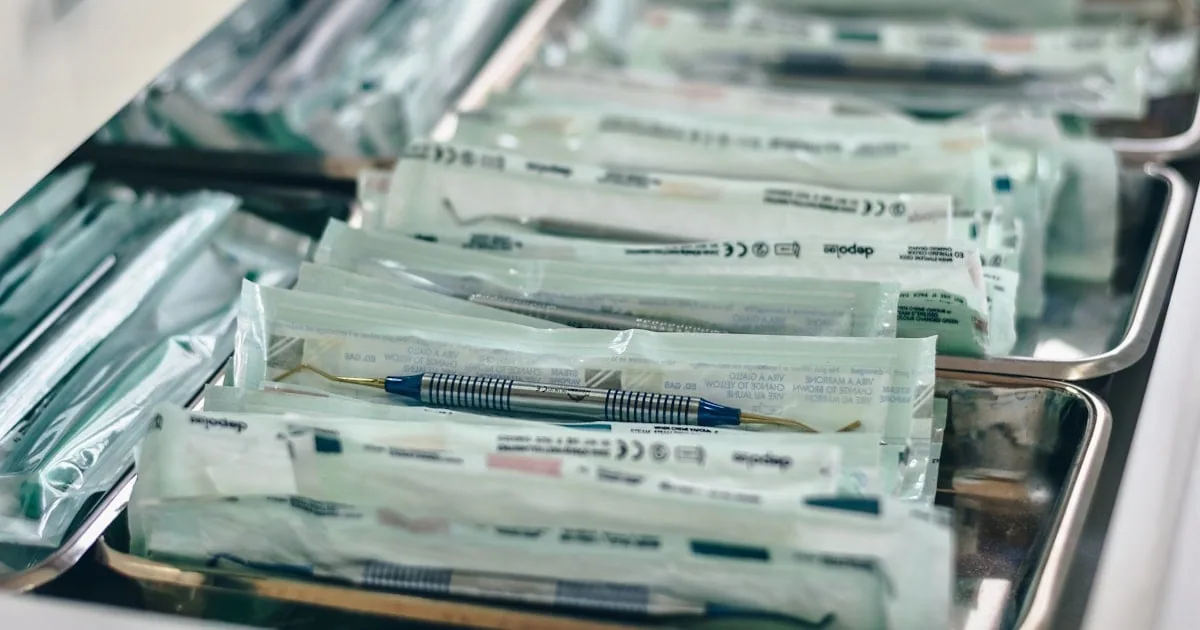
Turkey welcomed over 1.5 million medical tourists in 2024, generating more than $2 billion in health tourism revenue — and projections for 2026 indicate continued growth. This isn't a recent trend; Turkey has been investing in its healthcare infrastructure for two decades, positioning itself deliberately and systematically as the world's premier medical tourism destination. But what specifically makes Turkey the top choice over competitors like Thailand, India, and Mexico? This article explores the structural, clinical, and experiential reasons that have made Turkey the undisputed leader.
World-Class Healthcare Infrastructure
Turkey's healthcare transformation began in earnest in the early 2000s with the Health Transformation Programme — a government initiative that invested billions in new hospital construction, technology acquisition, and medical education. The result is a network of modern, well-equipped private hospitals that rival the best facilities in Western Europe.
Today, Turkey has more JCI-accredited hospitals than any country outside the United States. JCI (Joint Commission International) is the gold standard of global healthcare accreditation, assessing facilities against rigorous standards for patient safety, clinical quality, infection control, and institutional management. With over 50 JCI-accredited hospitals, Turkey offers international patients a credible, independently verified quality assurance framework that many competitor destinations cannot match.
Beyond accreditation, Turkish hospitals have invested in the latest diagnostic and therapeutic technology: robotic surgery systems, proton therapy centres, advanced MRI and PET-CT imaging, digital pathology platforms, and world-class intensive care facilities. The technology gap between Turkey and Western Europe is, at leading institutions, essentially non-existent.
Highly Qualified Surgeons and Specialists
Turkey produces around 10,000 new medical graduates annually from its universities, and competition for specialty training positions is intense. A significant proportion of Turkey's top surgeons have undertaken postgraduate training in the UK, Germany, the United States, or France — returning home with internationally calibrated skills and a cross-cultural patient communication skillset.
In specialties that are particularly relevant to medical tourists — plastic surgery, hair transplantation, dentistry, ophthalmology, and bariatric surgery — Turkey has developed concentrated centres of excellence. Istanbul, in particular, has enough specialist surgeons in each field to create genuine competition, peer review culture, and continuous skills development that benefits patients.
Volume matters in surgery: a Turkish rhinoplasty surgeon who performs 300–400 procedures per year develops a mastery of technique and case variety that a Western surgeon performing 50–100 cases annually cannot realistically match. This volume advantage, across multiple specialties, is one of Turkey's most compelling clinical arguments.
The Cost Advantage: Structural Not Superficial
Turkey's lower medical costs are not a reflection of lower quality — they are a function of structural economic differences. Medical staff salaries, facility costs, insurance overheads, and regulatory compliance costs are substantially lower in Turkey than in the UK, Germany, or the United States. These savings are passed on to patients without compromising clinical quality.
The cost comparison across common procedures is dramatic: hair transplants cost 70–80% less than in the UK; dental implants 60–75% less; rhinoplasty 60–70% less; IVF 60–70% less; eye surgery 60–75% less. Even after adding flights, accommodation, and ancillary travel costs, international patients typically save between 50% and 70% compared to receiving the same treatment in their home country.
| Procedure | Turkey | UK | USA | Germany |
|---|---|---|---|---|
| Hair Transplant (3,000 grafts) | £1,500 – £2,500 | £7,000 – £12,000 | $10,000+ | €6,000 – €10,000 |
| Dental Implant (single) | £400 – £700 | £2,500 – £3,500 | $3,000 – $5,000 | €1,500 – €2,500 |
| Rhinoplasty | £2,500 – £5,000 | £7,000 – £12,000 | $8,000 – $15,000 | €7,000 – €12,000 |
| LASIK (per eye) | £600 – £1,000 | £1,500 – £3,000 | $2,000 – $3,500 | €1,500 – €2,500 |
| IVF (per cycle) | £1,800 – £3,500 | £4,000 – £6,000 | $12,000 – $20,000 | €3,500 – €6,000 |
Geographic and Logistical Advantages
Turkey's geography is a genuine advantage for European medical tourists. Istanbul is within 3–4 hours flying time from virtually every major European city, making it more accessible than competitor destinations in Southeast Asia or Latin America. For UK patients, return flights from London to Istanbul often cost less than £100 on budget carriers.
Istanbul's airports — Istanbul Airport (the world's sixth busiest) and Sabiha Gokcen — offer direct connections to dozens of European, Middle Eastern, and North American cities. Antalya, Turkey's second-most popular medical tourism city, is similarly well-served by European low-cost carriers and offers a warm Mediterranean setting that makes combining treatment with a holiday particularly appealing.
Turkey also benefits from visa-free or visa-on-arrival access for most European nationalities, and the e-Visa system makes entry for other nationalities straightforward. The country's tourist infrastructure — hotels, restaurants, transportation — is mature and internationally oriented.
The Patient Experience: What Sets Turkey Apart
Turkey has invested specifically in the patient experience for international visitors, recognising that clinical quality alone is not sufficient differentiation. Leading Turkish medical tourism clinics and hospitals employ dedicated international patient departments staffed by multilingual coordinators — English, German, Arabic, and French are the most common — who manage every aspect of the patient journey from initial inquiry to post-departure follow-up.
All-inclusive packages — covering procedure, accommodation, transfers, and aftercare — have become the standard for international patients, removing logistical complexity and making budgeting straightforward. Recovery hotels and specially designed patient residences adjacent to clinics offer medical tourism-specific amenities: nursing support, dietary catering, arranged clinic transfers, and companionable environments for patients travelling without family.
Perhaps most importantly, Turkey's culture of hospitality — deeply embedded in Turkish social values — translates naturally into patient care. International patients consistently report feeling genuinely cared for, well-informed, and treated with warmth and respect — an experience that enhances recovery and builds the word-of-mouth reputation that continues to drive Turkey's medical tourism growth.
Frequently Asked Questions
Is Turkey safe for medical tourists?
Yes. Turkey is a safe, stable country with a well-established medical tourism sector. Istanbul and Antalya — the two primary medical tourism cities — are modern, internationally oriented, and well-equipped for international visitors.
How do I verify a Turkish hospital's accreditation?
JCI accreditation status can be verified directly on the JCI website (jointcommissioninternational.org). Turkish Ministry of Health certification is verifiable through the Turkish health authority. Always check accreditation independently rather than relying solely on clinic claims.
Is medical tourism in Turkey regulated?
Yes. Turkey's private healthcare sector is regulated by the Turkish Ministry of Health, which licenses hospitals, clinics, and practitioners. The government has also established specific regulations for medical tourism operators and international patient services.
What if I have a complication during treatment?
Turkey's leading hospitals have full emergency and ICU capabilities. For international patients, medical travel insurance is strongly recommended — it covers repatriation, emergency treatment costs, and continuation of care if needed.
Ready to Take the Next Step?
Ready to explore your treatment options in Turkey? Contact our team for a free consultation and personalised treatment plan. We'll connect you with the right clinic for your specific needs, handle the logistics, and support you throughout your entire journey.
No comments yet. Be the first to comment!