

LASIK Eye Surgery in Turkey 2026: Cost, Clinics & Recovery Guide
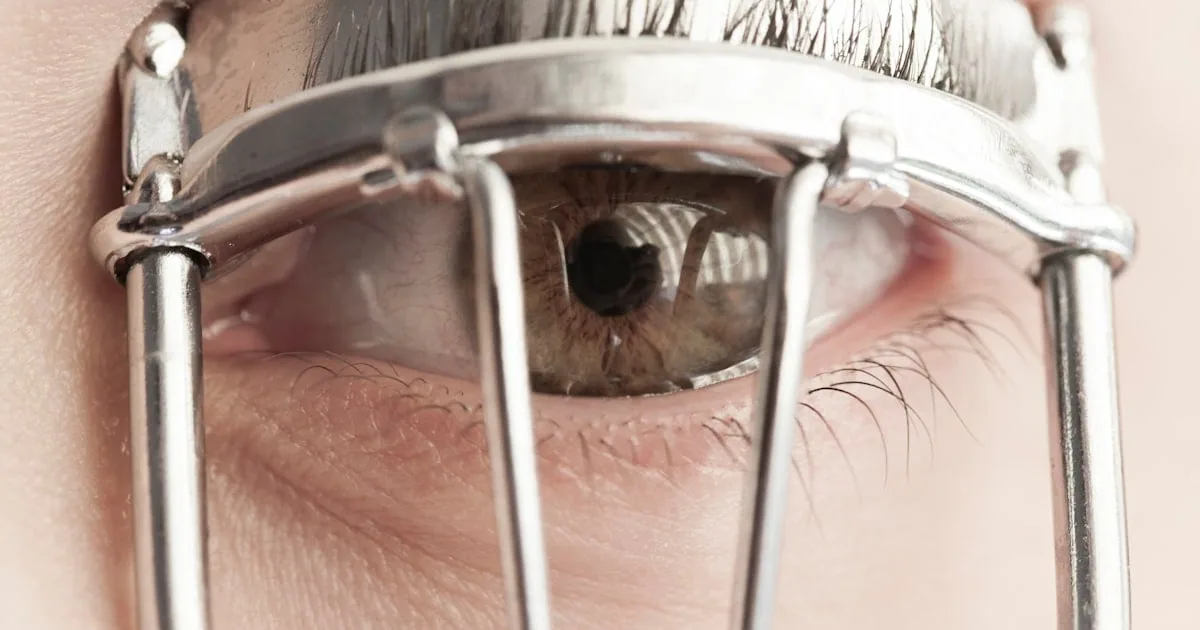
LASIK eye surgery has a remarkable track record: over 40 million procedures performed worldwide, a 96% patient satisfaction rate, and decades of clinical data confirming its safety and efficacy. Yet in the UK, the cost of LASIK remains a barrier for many — typically £1,500 to £3,000 per eye at reputable clinics. In Turkey, world-class LASIK surgery using the latest laser platforms is available for £600 to £1,200 per eye, with all-inclusive international patient packages making the process easier than ever. This guide covers everything UK patients need to know for 2026.
Why Turkey for LASIK Eye Surgery?
Turkey has developed a strong reputation in ophthalmology, particularly for laser vision correction. Istanbul's leading eye hospitals use the same laser platforms found in the best UK and European clinics — including Zeiss MEL 90, Alcon WaveLight, and SCHWIND AMARIS systems — often at a fraction of the UK price. These are FDA-approved, CE-marked technologies with extensive international safety records.
The cost difference is driven by the same structural factors as other Turkish medical specialties: lower operational costs, highly competitive private market, and a healthcare sector that has positioned itself for international patients. Istanbul's ophthalmology sector in particular has invested heavily in international accreditation, English-speaking staff, and patient coordination services to accommodate the growing influx of UK, European, and Gulf patients.
For UK patients, the practical logistics are straightforward: fly to Istanbul (3–4 hours from most UK airports), attend a same-day eligibility assessment, have LASIK the following day, and fly home 24–48 hours later with significantly improved vision.
LASIK vs SMILE vs PRK: Which Laser Procedure Is Available?
Turkish eye clinics offer the full range of laser vision correction procedures. LASIK (Laser-Assisted In Situ Keratomileusis) remains the most popular: a flap is created in the cornea using a femtosecond laser, the underlying tissue is reshaped with an excimer laser to correct refractive error, and the flap is repositioned. Recovery is rapid — most patients achieve functional vision within 24 hours.
SMILE (Small Incision Lenticule Extraction) is a flapless, keyhole procedure increasingly preferred by surgeons for its minimal disruption to corneal nerves and suitability for higher prescriptions and dry eye sufferers. It has a slightly longer visual recovery than LASIK but is gentler on the corneal surface.
PRK (Photorefractive Keratectomy) removes the surface corneal layer rather than creating a flap, making it suitable for patients with thinner corneas or those who participate in contact sports. Recovery takes longer (1–2 weeks for clear vision), but long-term outcomes are comparable to LASIK.
All three procedures are available at leading Turkish eye hospitals. Your suitability will be determined by a comprehensive pre-operative assessment including corneal topography, pachymetry (corneal thickness), and pupil dilation examination.
LASIK Cost in Turkey vs the UK
The price difference for LASIK between Turkey and the UK is significant across all procedure types. Turkish clinics typically include all pre-operative tests, the procedure itself, and post-operative eye drops in the quoted price. All-inclusive packages add hotel accommodation and airport transfers.
| Procedure | Turkey (per eye) | UK (per eye) |
|---|---|---|
| Standard LASIK | £500 – £800 | £1,500 – £2,200 |
| Femto-LASIK (bladeless) | £700 – £1,000 | £1,800 – £2,500 |
| SMILE | £900 – £1,300 | £2,200 – £3,000 |
| PRK / LASEK | £500 – £750 | £1,200 – £2,000 |
| ICL (Implantable Lens) | £1,200 – £1,800 | £3,000 – £4,500 |
What Does the Treatment Process Look Like?
The process for UK patients begins with an online pre-screening questionnaire and, ideally, sharing your current glasses or contact lens prescription. This allows the clinic to give a preliminary suitability assessment and quote before you travel.
Upon arrival in Istanbul, you'll have your comprehensive pre-operative assessment — typically on Day 1. This takes 2–3 hours and involves multiple tests to map your cornea, measure its thickness, assess your tear film, and confirm your prescription under dilated pupils. Results are reviewed by the ophthalmic surgeon who will perform your procedure.
If you're suitable, LASIK is performed on Day 2. The procedure itself takes 10–15 minutes per eye and is performed under topical anaesthetic drops — no injections. Post-operatively, you'll rest for a few hours and return for a next-morning check. Most patients see clearly enough to navigate independently within 24 hours. A final check before departure confirms your visual progress, and you fly home with a supply of post-operative drops and written aftercare instructions.
Choosing a Reputable Eye Clinic in Turkey
Ophthalmology is a highly specialised field, and the quality of the laser platform, the surgeon's experience, and the thoroughness of pre-operative assessment all materially affect outcomes. When evaluating Turkish eye clinics, prioritise those with JCI accreditation or Turkish Ministry of Health certification for international patient care.
Verify the specific laser platform used — the best outcomes are associated with modern, wavefront-guided or topography-guided laser systems. Ask which system the clinic uses, its vintage (older machines have lower precision), and how many procedures have been performed on it. The surgeon should be a qualified ophthalmologist with sub-specialty training in refractive surgery and a documented track record.
Peer reviews from UK patients on platforms such as Trustpilot and Google, as well as international patient forums, provide real-world insights into clinic quality, communication, and post-operative support. Check that the clinic has a clear protocol for managing patients from abroad who develop complications or need reassessment after returning home.
Frequently Asked Questions
Am I suitable for LASIK?
Most people with stable prescriptions between -1.00 and -10.00 dioptres (and up to +4.00 for hyperopia) are suitable. Thin corneas, severe dry eye, or certain corneal conditions may exclude you. Only a full pre-operative assessment can confirm suitability.
Is it safe to fly after LASIK?
Yes. Most surgeons advise waiting 24–48 hours after LASIK before flying. Cabin air is dry, so using lubricating drops frequently during the flight is recommended.
What if my vision regresses after returning to the UK?
A small percentage of patients experience regression over months or years. Most reputable Turkish clinics offer a free enhancement procedure within 1–2 years if regression occurs — confirm this in writing before booking.
How long do LASIK results last?
LASIK permanently reshapes the cornea. Results are long-lasting, though the natural ageing process (presbyopia) will affect near vision from around age 40–45 regardless of the procedure.
Ready to Take the Next Step?
Take the first step towards glasses-free vision. Request your free LASIK eligibility pre-screening today — share your prescription and our ophthalmology coordinators will advise on suitability, procedure options, and total costs with no obligation.
No comments yet. Be the first to comment!