

Rhinoplasty in Turkey 2026: Best Surgeons, Cost & Recovery Time
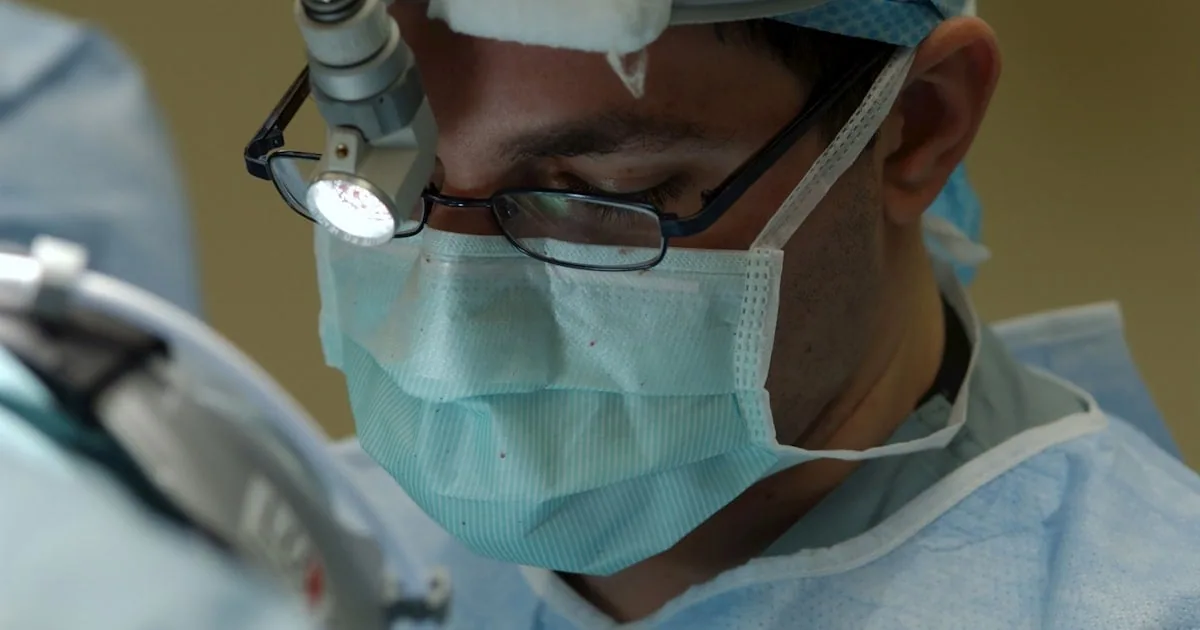
Rhinoplasty — commonly called a nose job — is one of the most technically demanding and artistically nuanced procedures in plastic surgery. It's also one of the most popular procedures among international patients travelling to Turkey, where world-class facial surgeons operate at a fraction of UK or US prices. Whether you're seeking structural correction, breathing improvement, or purely aesthetic refinement, Turkey's rhinoplasty surgeons have developed a global reputation that makes the country a leading destination in 2026.
Why Turkey Has Become a Global Rhinoplasty Hub
Turkish rhinoplasty surgeons have cultivated a distinctive international reputation, driven by a combination of high volume, technical excellence, and competitive pricing. Istanbul alone has dozens of board-certified plastic surgeons who perform hundreds of rhinoplasty procedures annually — a caseload that builds the kind of experiential depth rarely matched in lower-volume Western practices.
Many of Turkey's leading rhinoplasty surgeons trained at European or US institutions and have presented their work at international conferences. A subset has developed signature techniques — including the "Turkish Rhinoplasty" approach, which emphasises natural results, structural support, and ethnic preservation. This is particularly relevant for patients of Middle Eastern, South Asian, and Eastern European backgrounds who want refinement without erasing their ethnic characteristics.
The surge in medical tourism has driven Turkish clinics to invest heavily in patient experience infrastructure: English-speaking coordinators, digital 3D nose simulation software, five-star recovery accommodation, and seamless airport-to-clinic logistics. For UK and US patients, the combination of world-class surgical quality and a cost saving of 60–75% has made Turkey the obvious choice.
Types of Rhinoplasty Performed in Turkey
Turkish surgeons perform the full range of rhinoplasty types: open, closed, revision, ethnic, functional, and ultrasonic rhinoplasty. Open rhinoplasty — the most common approach — involves a small incision at the base of the nose (the columella), allowing the surgeon full access to the cartilaginous and bony structures. This is the preferred approach for complex reshaping or structural work.
Closed rhinoplasty is performed entirely through internal incisions, leaving no external scar. It's suitable for less complex cases where limited adjustments are needed. Recovery tends to be faster with the closed approach.
Ultrasonic rhinoplasty is a newer, increasingly popular technique in Turkey in which piezoelectric ultrasonic instruments are used to sculpt bone with extreme precision, without the trauma associated with traditional osteotomes (chisels). This reduces bruising, swelling, and recovery time, and is particularly suited to patients needing significant bony work. Many of Turkey's leading surgeons are highly experienced in this technique.
Revision rhinoplasty — correction of unsatisfactory results from a previous surgery — is also a significant proportion of the caseload in Turkish clinics, attracting patients from the UK and abroad who seek experienced surgeons with a specific track record in corrective cases.
Rhinoplasty Cost in Turkey vs UK / USA
The cost gap between Turkey and English-speaking Western countries is dramatic, particularly given the often superior surgical experience available in Istanbul's specialist rhinoplasty clinics.
| Rhinoplasty Type | Turkey (All-In) | UK Estimate | USA Estimate |
|---|---|---|---|
| Open Rhinoplasty | £2,500 – £5,000 | £7,000 – £12,000 | $8,000 – $15,000 |
| Closed Rhinoplasty | £2,000 – £4,000 | £5,000 – £9,000 | $6,000 – $12,000 |
| Ultrasonic Rhinoplasty | £3,500 – £6,000 | £9,000 – £15,000 | $10,000 – $18,000 |
| Revision Rhinoplasty | £3,500 – £7,000 | £9,000 – £18,000 | $10,000 – $20,000 |
| Septoplasty (functional) | £1,500 – £3,000 | £4,000 – £8,000 | $5,000 – $10,000 |
Recovery: What to Expect After Rhinoplasty
Rhinoplasty recovery follows a predictable pattern, regardless of where surgery is performed. A nasal splint is worn for 7–10 days, during which bruising and swelling are at their peak. Most patients are comfortable enough to walk around and manage daily activities by days 3–5, though they look visibly post-operative.
For UK and US patients, the typical clinic recommendation is to remain in Istanbul for 7–10 days post-surgery before flying. This allows the surgeon to remove the splint, assess healing, and address any immediate concerns before you travel. Long-haul flights in the immediate post-operative period carry an elevated risk of complications (blood pressure changes, infection risk), so this wait period is medically sound, not just logistically convenient.
By 3–4 weeks, most external bruising has resolved and patients are socially presentable, though residual swelling (particularly at the nasal tip) persists for months. The nose continues to refine and settle for 12–18 months after surgery — patience is essential. Final results are not assessable before the 12-month mark, and reputable surgeons will set this expectation clearly.
How to Choose the Right Rhinoplasty Surgeon in Turkey
Surgeon selection is arguably more important in rhinoplasty than in any other aesthetic procedure, because the skill differential between average and excellent surgeons is so visible and so difficult (and expensive) to correct. Start by identifying surgeons who are board-certified by the Turkish Plastic Reconstructive and Aesthetic Surgery Association (TPCD) and who focus primarily or exclusively on facial surgery.
Review their before-and-after portfolios critically — specifically, look for cases similar to your ethnic background and the specific changes you're seeking. Look for natural results rather than a homogenised "operated" look. Assess consistency across multiple cases, not just the best-case highlight results.
The consultation process matters enormously. A reputable surgeon will use 3D simulation software to show you projected outcomes, explain the anatomical limitations of your case honestly, and set realistic expectations — including what cannot be changed and how long final results take to emerge.
Frequently Asked Questions
How long do I need to stay in Turkey for rhinoplasty?
Most surgeons recommend 7–10 days minimum: 1–2 days pre-op for consultation and tests, surgery day, and 5–7 days post-operative monitoring before splint removal and departure.
Can I combine rhinoplasty with other procedures?
Yes. Chin augmentation (mentoplasty) is frequently combined with rhinoplasty for improved facial harmony. Some patients also combine rhinoplasty with eyelid surgery or brow lifts. Combination procedures must be planned carefully — not all combinations are safe in a single session.
Will my results be permanent?
The structural changes made to cartilage and bone are permanent. However, the natural ageing process causes gradual changes to facial tissue over time. Rhinoplasty results are long-lasting when performed by an experienced surgeon with proper technique.
When can I exercise after rhinoplasty?
Light walking is encouraged from day 2–3 post-op. Strenuous activity, contact sports, and anything that risks impact to the nose should be avoided for 4–6 weeks.
Ready to Take the Next Step?
Start with a free surgical consultation. Share your photos and concerns, and our rhinoplasty patient advisors will connect you with a board-certified surgeon whose portfolio and specialisation match your needs — with a detailed quote and no pressure to proceed.
No comments yet. Be the first to comment!